Best Zinc-Rich Primers UK 2026 for Car Restoration
Table of Contents
Once a panel is back to bright steel, the clock starts. In a damp British garage, bare metal can show a film of flash rust overnight. A zinc primer is the coat that buys you time and keeps protecting the steel long after the car is finished. These are the zinc primers worth buying on Amazon UK, and the ones to approach with care.
Introduction to Zinc Primers
Most restorers meet zinc primer at the same point in a job: the floor pan has been cut back, the chassis leg blasted, or the wheel arch repaired, and the fresh metal needs sealing before anything else happens. A good zinc primer goes straight onto clean steel, dries quickly and gives a base that later coats can stick to.
The products on the shelf vary more than the labels suggest. Some are true cold-galvanising coatings packed with zinc. Others are ordinary grey primers with some zinc added. Some come in aerosols for panels and brackets, others in tins for brushing onto a chassis. This guide sorts them by job so you can buy the right one first time.
How Zinc Primers Work
Zinc is more reactive than iron. When zinc and steel are in contact and moisture gets in, the zinc corrodes first and the steel is spared. This is the same principle that protects galvanised panels on modern cars, and it is called sacrificial or cathodic protection.
- The zinc has to touch the steel. Zinc primer over rust or old paint cannot protect the metal underneath, because there is no electrical contact.
- The more zinc, the better the protection. Cold-galvanising sprays and true zinc-rich primers carry a high proportion of zinc dust so the particles touch each other and the steel.
- The zinc is slowly used up. A topcoat over the primer keeps water away and makes the zinc last far longer.
What "Zinc-Rich" Actually Means
Industrial coating standards such as ISO 12944 class a primer as zinc-rich when zinc makes up roughly 80% by weight of the dry film. Most car-shop aerosols do not publish a figure, and the ones that do are often lower: Hycote, for example, states over 60%. That still gives useful protection under a topcoat, but it is worth knowing when you compare a £6 aerosol with a cold-galvanising spray.
How We Chose
We want to be straight about how this list was made. We have not salt-spray tested these primers on our own bench. Instead, in November 2026 we:
- Searched Amazon UK for zinc primer, zinc-rich primer and cold-galvanising spray, in aerosol and tin form
- Shortlisted products by star rating and number of ratings together, so a 5-star product with one review did not beat a 4.5-star product with hundreds
- Kept only products in UK stock, in sizes that make sense for one car, from brands UK restorers and body shops actually use
- Read the reviews for each and noted the points that came up again and again, good and bad
- Checked those points against the manufacturer's own claims and the known chemistry of zinc coatings
Our star rating is our overall judgement from that research. The Amazon rating and review count are shown separately so you can weigh them yourself. Where a claim comes from buyers' reviews rather than from us, we say so.
Bilt Hamber Electrox is well regarded among restorers but was not listed on Amazon UK when we checked, so it is not ranked here. We also looked for zinc primers from Rust-Oleum and Hammerite, but none came up in our Amazon UK searches at the time.
The Best Zinc Primers in the UK
1. Hycote Zinc Primer (2 x 400ml): Best Overall Aerosol
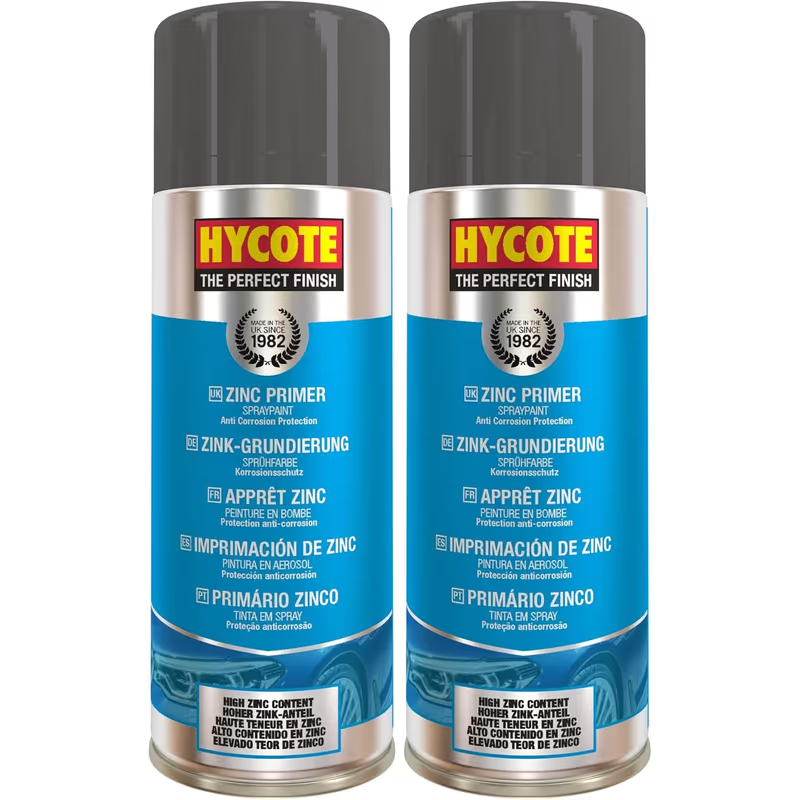
Amazon rating: 4.5/5 from 107 ratings
Size: 2 x 400ml aerosols
Price seen: around £12 for the pair (November 2026)
Application Method: Aerosol spray
Hycote is a UK paint maker that has been filling car aerosols since 1982, and its zinc primer is the one we would reach for first on panels, floors and brackets. The listing states over 60% zinc metal in the dry coating and a matt metallic grey finish that takes topcoats well. It comes as a twin pack, which works out as the cheapest per millilitre of the aerosols here.
Pros:
- Stated zinc content (over 60% in the dry film), which most rivals do not publish
- Twin pack gives the best value per ml of the aerosols we looked at
- Reviewers report good coverage and an easy, even finish, with one can giving two coats on a bike frame
- Buyers have used it on brake discs, fuel tank covers and underbody parts with good early results
Cons:
- A few reviewers say the nozzle clogs, even when the can is cleared upside down after use
- Below the 80% zinc level that industrial standards call zinc-rich, so it needs a topcoat for long-term protection
Our Verdict: The best all-round zinc aerosol for a restoration. It is honest about its zinc content, it is good value as a pair, and reviewers are consistently happy with the finish. Keep a spare nozzle in the drawer and topcoat it.
Buy on Amazon2. U-POL Isopon Zinc 182 (1 Litre Tin): Best Brush-On for Chassis and Suspension
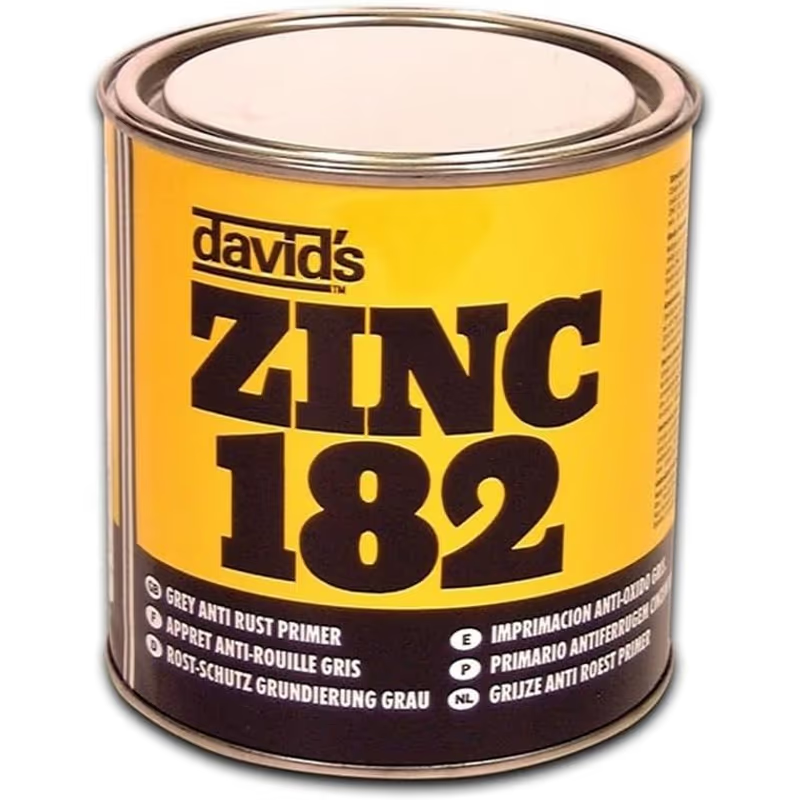
Amazon rating: 4.7/5 from 59 ratings
Size: 1 litre tin
Price seen: varies by seller, typically well under £15 a litre
Application Method: Brush
Zinc 182 has been a garage staple for decades, and it is still the cheapest way to put a thick anti-rust primer on a chassis, subframe or set of suspension arms. It goes on thick from a brush, dries quickly and leaves a tough grey coat. One reviewer restoring an MGB used it on the propshaft, steering rack and suspension arms and describes it as smooth and very chip resistant.
Pros:
- Highest Amazon rating in this group, with restorers among the reviewers
- Thick, one-coat coverage on components, according to several reviews
- A litre tin goes a long way on underbody parts
- Reviewers have used it under polyurethane topcoats and before wax treatments without problems
Cons:
- U-POL does not publish a zinc percentage on the listing, so treat it as a tough anti-rust primer rather than a cold-galvanising coat
- Brush finish only, so not for visible panels
- Solvent-based and classed as hazardous for delivery, so some sellers will not ship to every address
Our Verdict: For anything that lives under the car, Zinc 182 is the sensible buy. It is cheap, it brushes into awkward shapes, and owners of old cars rate it highly. Use an aerosol for panels and this for the oily bits.
Buy on Amazon3. Action Can ZG-90 Galvanise Spray (500ml): Best for Brackets, Fixings and Cut Edges
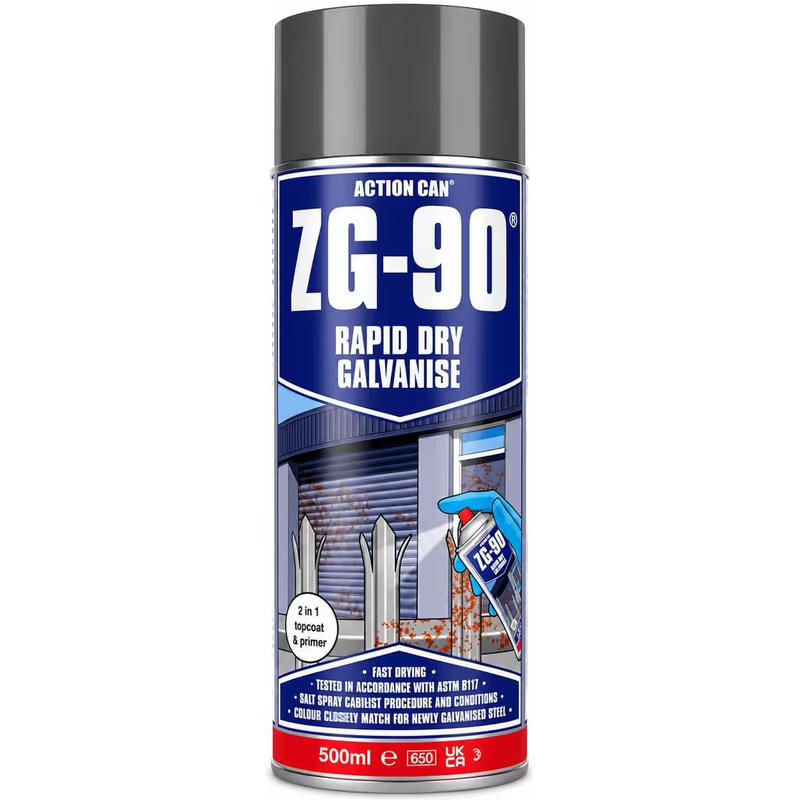
Amazon rating: 4.5/5 from 250 ratings
Size: 500ml aerosol
Price seen: around £12 (November 2026)
Application Method: Aerosol spray
ZG-90 is a cold-galvanising spray rather than a car primer, and it has the most reviews of anything in this list. The listing claims touch dry in two minutes, hard dry in 20 minutes at 20°C, testing to ASTM B117 salt spray and an ISO 12944-2 C3 rating. It dries to a bright galvanised silver, which makes it ideal for repairing damaged galvanising, cut edges of new panels, brackets, bolts and brake disc hubs.
Pros:
- Most-reviewed product here, with consistently positive comments on adhesion and durability
- Very fast drying, which reviewers confirm
- Galvanised silver finish blends with original zinc-plated parts
- One reviewer used it on cleaned-up bolts from a rusty A-Class and on brake discs with good results
Cons:
- Several reviewers say one can does not go far, so it is the dearest per ml here
- Not sold as a weld-through primer, so keep it out of lap joints
- The silver finish is not what you want under a colour coat on a visible panel
Our Verdict: The one to buy for small parts, fixings and anything that was galvanised from the factory. It is not a panel primer, but for brackets and fasteners it is the most proven can on Amazon.
Buy on Amazon4. Autotek Zinc Primer (500ml): Bigger Can, Patchy Valves
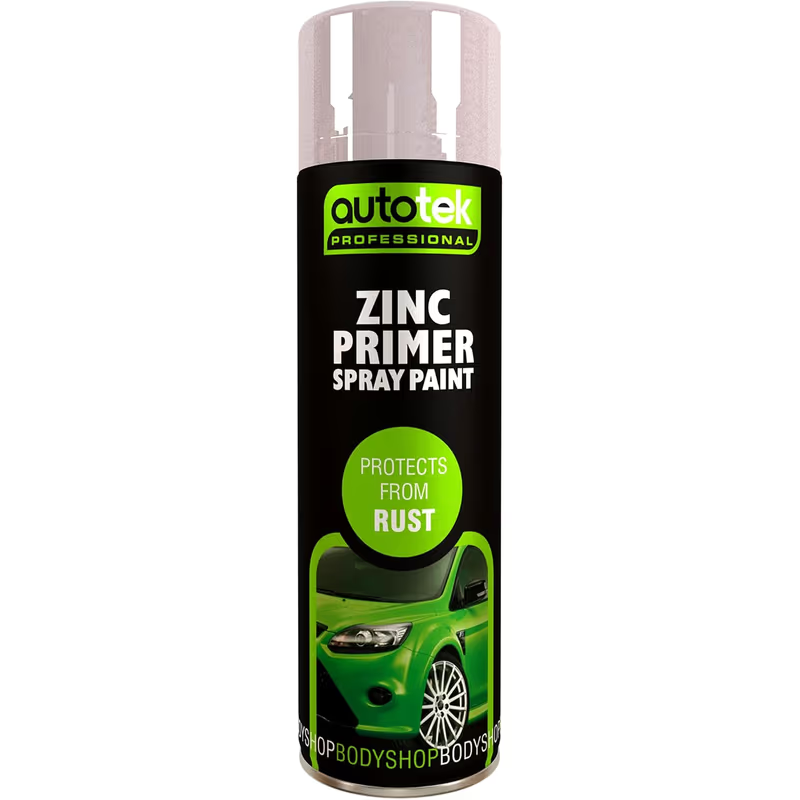
Amazon rating: 4.3/5 from 71 ratings
Size: 500ml aerosol
Price seen: around £13 (November 2026)
Application Method: Aerosol spray
Autotek is a trade aerosol brand sold through motor factors, and its zinc primer comes in a larger 500ml can. When it works, reviewers like it: several say it gives a better finish than they expected from an aerosol, with no drips. The problem is consistency.
Pros:
- 500ml can, larger than most aerosols here
- Reviewers praise the finish and adhesion on cleaned motorcycle and car parts
- Widely used in the motor trade
Cons:
- A recurring complaint in reviews: cans that stop spraying part-way through, with one buyer reporting five of six cans failing
- No zinc content published on the listing
Our Verdict: A decent primer let down by reports of faulty valves. If you buy it, test each can as soon as it arrives so you can return a dud in time.
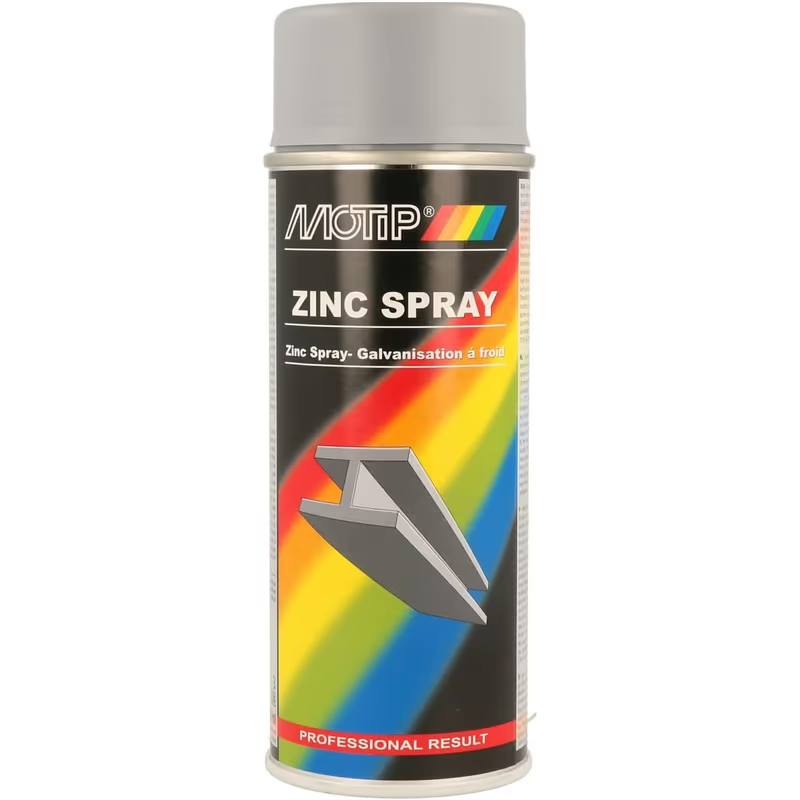
Buy on Amazon5. Motip Zinc Spray (400ml): Best If You Also Need to Spot Weld
Amazon rating: 4.3/5 from 23 ratings
Size: 400ml aerosol
Price seen: around £12 (November 2026)
Application Method: Aerosol spray
Motip is a Dutch aerosol brand common in European body shops. Its zinc spray is listed as spot-weldable, with cathodic corrosion protection and resistance to petrol and chemicals. That makes it the one primer here that can also go between panels you plan to spot weld.
Pros:
- Listed as spot-weldable, so one can covers panel faces and joint flanges
- Fast drying, with good filling properties according to the maker
- Resistant to petrol, useful around filler necks and fuel tanks
Cons:
- Only 23 ratings, so there is less evidence from buyers than for the products above
- No zinc percentage published on the listing
Our Verdict: A sensible choice if you want one can for both priming and spot welding. If you are mainly welding, see our best weld-through primers guide, where dedicated products have far more evidence behind them.
Buy on AmazonComparison Table
| Product | Our Rating | Amazon | Size | Best For |
|---|---|---|---|---|
| Hycote Zinc Primer | 4.5/5 | 4.5 (107) | 2 x 400ml aerosol | Panels, floors, general use |
| U-POL Isopon Zinc 182 | 4.5/5 | 4.7 (59) | 1 litre tin | Chassis, suspension, underbody |
| Action Can ZG-90 | 4/5 | 4.5 (250) | 500ml aerosol | Brackets, fixings, cut edges |
| Autotek Zinc Primer | 3.5/5 | 4.3 (71) | 500ml aerosol | Larger areas, if the can works |
| Motip Zinc Spray | 3.5/5 | 4.3 (23) | 400ml aerosol | Priming and spot welding |
Buying Guide
Aerosol or Tin?
Aerosols suit panels, floors, inner wings and anything you want a smooth finish on. Tins suit chassis rails, subframes, suspension arms and other parts that are awkward to spray evenly and that nobody will look at closely. Many restorers keep both: a tin of Zinc 182 for the underside and a few aerosols for the bodywork.
Check the Zinc Content
If the maker publishes a zinc percentage, use it to compare. Cold-galvanising sprays and true zinc-rich primers carry the most zinc and give the strongest sacrificial protection. A grey primer with a little zinc added is still a decent primer, but it relies more on the topcoat to keep water out.
Weld-Through Is a Separate Job
If the primer is going inside a lap joint or between flanges you will spot weld, buy a product labelled weld-through or spot-weldable. Ordinary zinc primers may not conduct well enough and can make welding harder. Our weld-through primer guide covers those.
Preparation Matters More Than the Brand
- Back to bright steel: zinc cannot protect metal it does not touch, so remove all rust and old paint. Our rust remover guide covers chemical options.
- Degrease: wipe with panel wipe or a proper degreaser, not thinners that leave a film.
- Prime the same day: in a UK garage, bare steel can flash rust within hours.
- Thin coats: two or three light coats beat one heavy one, and are less likely to run.
- Topcoat it: zinc primer is a base, not a finish. A topcoat keeps water off the zinc and makes it last.
Safety
Zinc primers are solvent-based. Spray outdoors or with good ventilation, wear a respirator rated for organic vapours and paint particles, and protect your eyes. Never weld or grind through zinc coatings without fume extraction, because zinc oxide fume causes metal fume fever.
FAQs
What is a zinc-rich primer?
A zinc-rich primer is a paint loaded with fine zinc dust. On clean bare steel the zinc corrodes in preference to the steel, so a scratch through the paint does not immediately start a rust bloom. Industrial standards such as ISO 12944 reserve the term for coatings with a very high zinc content in the dry film, around 80% by weight, so many car aerosols sold as zinc primer contain less than that.
Can I put zinc primer over rust?
No. Zinc only protects steel it is in direct contact with, so it needs clean, bright metal. Remove rust back to bare steel with a wire wheel, blasting or a chemical remover first. If some rust cannot be reached, a rust converter or an encapsulating paint is the better choice for that area.
Can you put filler over zinc primer?
Most body filler manufacturers recommend applying filler to bare, keyed steel or over epoxy primer rather than over a soft aerosol primer. Use zinc primer on areas that stay as painted metal, such as floors, chassis rails and brackets, and follow the filler maker's instructions for repair areas.
Is zinc primer the same as weld-through primer?
Not always. Weld-through primers are zinc or copper-rich primers made conductive enough to spot weld through and designed to sit inside a lap joint. A general zinc primer may not be conductive enough. Only use a product labelled weld-through or spot-weldable between panels you are welding.
What topcoat goes over zinc primer?
Epoxy primer, 2K primer or acrylic paints are the usual choices. Some oil-based (alkyd) enamels can lose adhesion over zinc-rich coatings, so check the topcoat label for compatibility with zinc or galvanised surfaces before you commit to a whole panel.
How many cans of zinc primer do I need?
Reviewers commonly report that a 400ml aerosol covers roughly two coats on a small part such as a bicycle frame or a subframe bracket. For a floor pan or a pair of sills, plan on two to four cans, or buy a tin and brush it.
Conclusion
For most restorers, Hycote Zinc Primer is the best zinc aerosol on Amazon UK: good value as a pair, open about its zinc content and well reviewed. Pair it with a tin of U-POL Zinc 182 for the chassis and suspension, and keep a can of Action Can ZG-90 for brackets, fixings and anything that was galvanised from new.
Whichever you choose, the result depends on what is underneath. Clean, bright, degreased steel and a proper topcoat matter more than any label.