Best Air Compressors for Car Restoration: The 2026 Buyer's Guide
Table of Contents
An air compressor is the lungs of a restoration workshop. From running DA sanders and die grinders to spraying primer and sandblasting parts, it is the one tool that unlocks professional-grade results at home. But buy too small, and you'll spend half your day waiting for the tank to recharge.
Why You Need Air
While battery tools are catching up, air tools (pneumatics) still hold the crown for restoration work. They are lighter, smaller, and don't overheat during continuous use like sanding or grinding. Plus, you simply cannot paint a car or run a sandblasting cabinet without a compressor.
Buying Guide: Specs That Matter
Ignore the horsepower (HP) rating for a moment. The two numbers that actually dictate what you can do are CFM and Tank Size.
1. CFM (Cubic Feet per Minute)
This is the volume of air the pump can deliver. It is the single most important number.
- Displacement CFM: The theoretical maximum (often advertised).
- FAD (Free Air Delivery): The actual air delivered at working pressure. This is usually 30-40% lower than displacement. Always check the FAD.
2. Tank Size (Litres)
The tank is your buffer. A larger tank means the motor starts less often and the air flow is smoother (crucial for painting).
3. The 13A Plug Limit
In the UK, a standard 3-pin plug can only support motors up to 3HP (roughly 14 CFM Displacement). Anything larger requires a dedicated 16A or 32A industrial supply (blue commando socket). All compressors in this guide run on a standard 13A plug.
Tool Air Consumption Chart
Before you buy, check what tools you plan to run. "Hungry" tools like sanders need huge airflow to run continuously.
| Tool | Average CFM Required (FAD) | Compressor Size Needed |
|---|---|---|
| Tyre Inflator / Blow Gun | 2-4 CFM | 24L - 50L |
| Impact Wrench (Wheel Nuts) | 4-5 CFM (Intermittent) | 50L |
| Spray Gun (Spot Repair) | 4-8 CFM | 50L - 100L |
| DA Sander / Die Grinder | 10-14 CFM (Continuous) | 100L - 150L (3HP) |
| Blast Cabinet | 15+ CFM | 200L+ |
Which Compressor Size Do You Need?
Quick Sizing Summary
- 24-50 Litre / Low Noise: Impact wrenches, tyre inflation, spot repairs, dusting. Perfect for small garages.
- 50-100 Litre / 10-14 CFM: The "Restorer's Choice". Runs DA sanders, die grinders, and can spray panels.
- 150 Litre+ / 14 CFM+: Full car resprays, sandblasting cabinets, heavy continuous use.
Best Quiet Compressor: HYCHIKA Low Noise
If you work in a residential area or simply value your hearing, a "Silent" compressor is a game changer.
1. HYCHIKA Quiet Air Compressor (Oil Free)
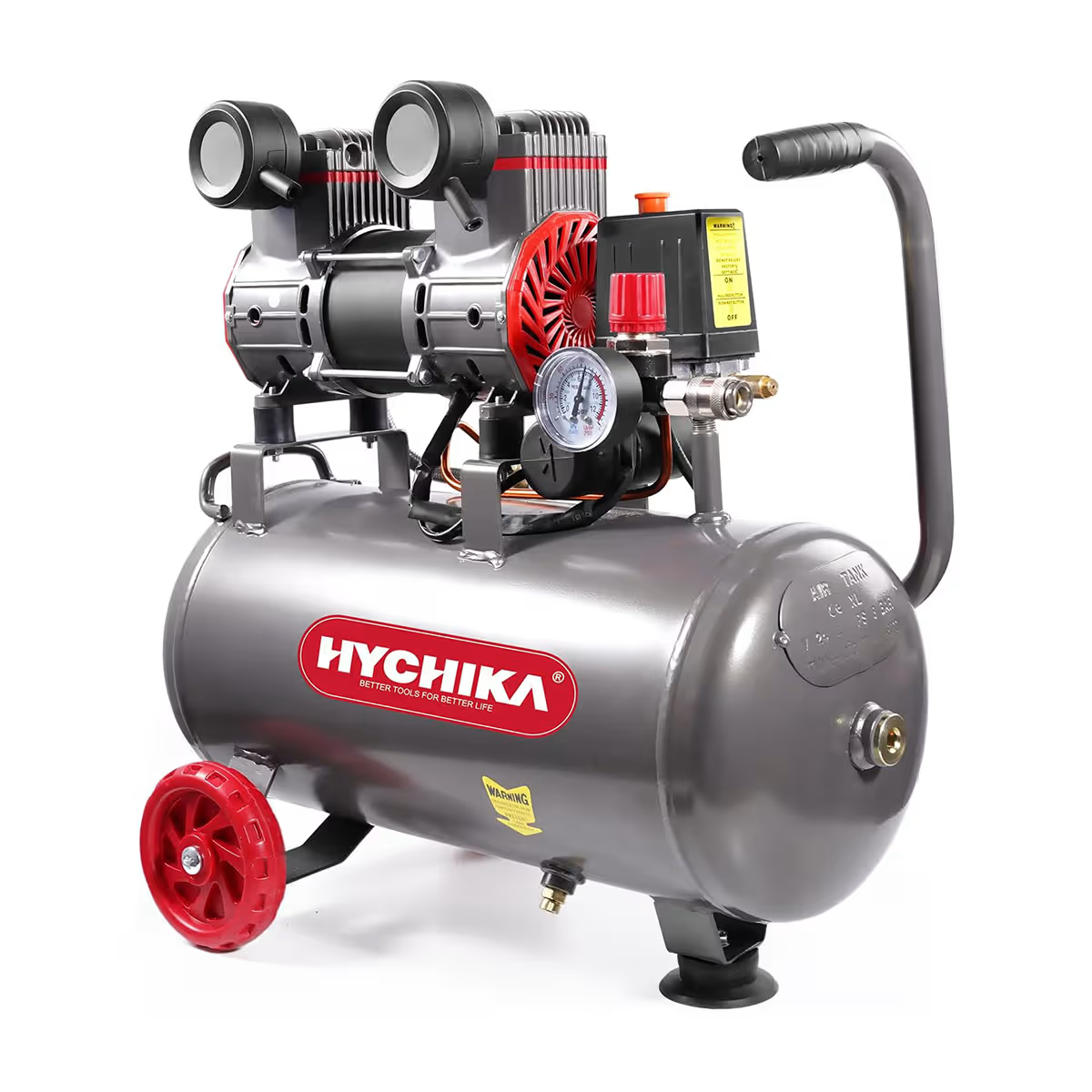
Best For: Home garages with neighbours, tyre inflation, and small air tools.
This unit is designed to be whisper-quiet compared to traditional screamers. While the tank is smaller, it's perfect for quick jobs like inflating tyres, blowing dust off brakes, or running an air stapler/riveter without waking the street. Being oil-free, it requires zero maintenance.
- Tank: 24 Litres
- Motor: 1HP (Silent)
- Key Feature: Ultra-quiet operation (approx 60dB)
Best Portable All-Rounder: 50L Capacity
The 50-litre size is the sweet spot for portability and performance. It holds enough air for an impact gun to remove lug nuts but is small enough to wheel around the car.
2. Hyundai 50 Litre Portable Compressor
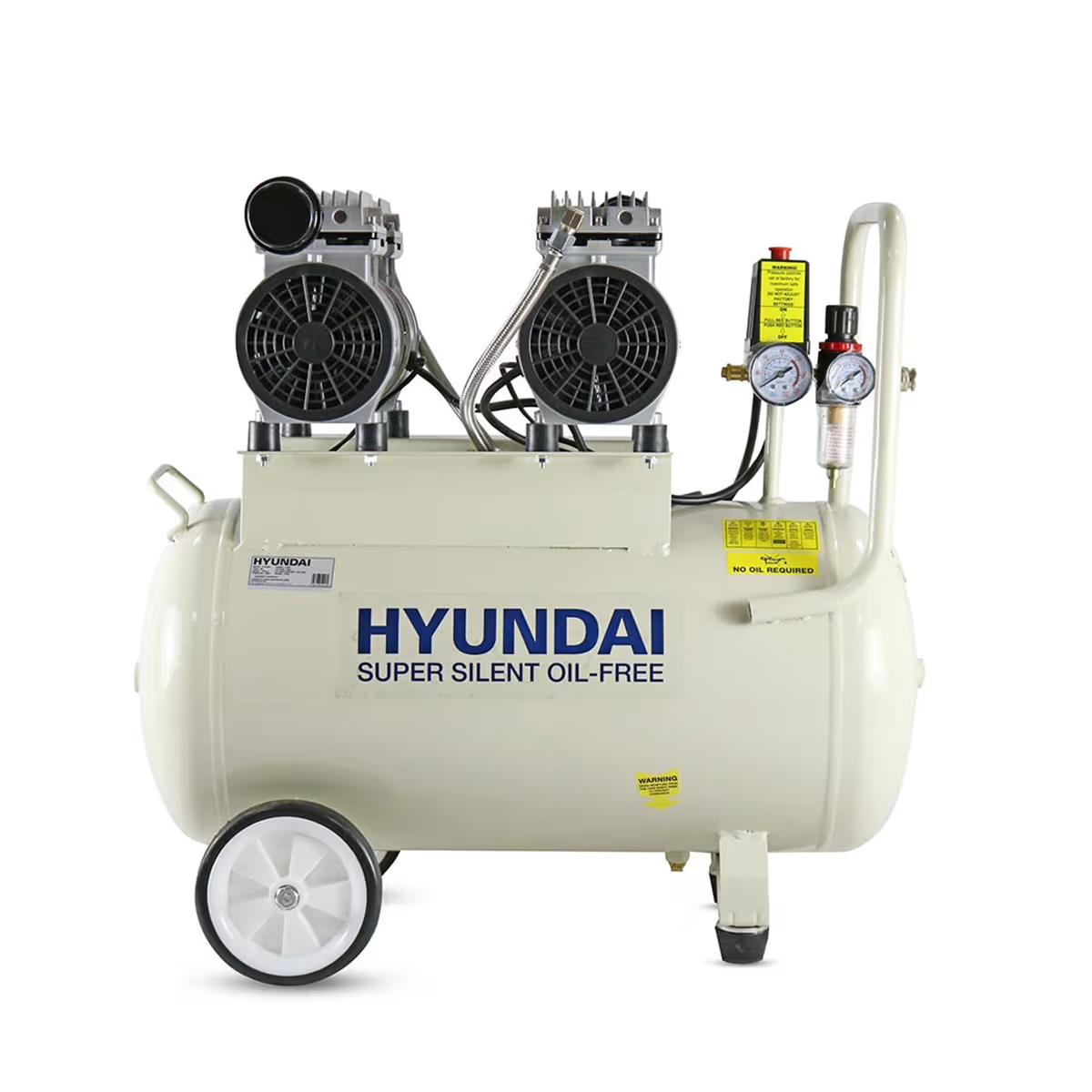
Best For: The weekend mechanic who needs mobility.
Hyundai has built a solid reputation for workshop tools. This 50L unit offers a powerful 2HP motor and respectable airflow. It's oil-free for clean air (great for spray painting without contamination risk) and features sturdy wheels for dragging over a gravel driveway.
- Tank: 50 Litres
- Flow: 7 CFM (FAD) approx
- Key Feature: Portable with large wheels
Best for Restoration: 100L High Capacity
When you need to run a sander or spray gun, you need volume. A 100-litre tank gives you that buffer.
3. SGS 100 Litre Heavy Duty Compressor
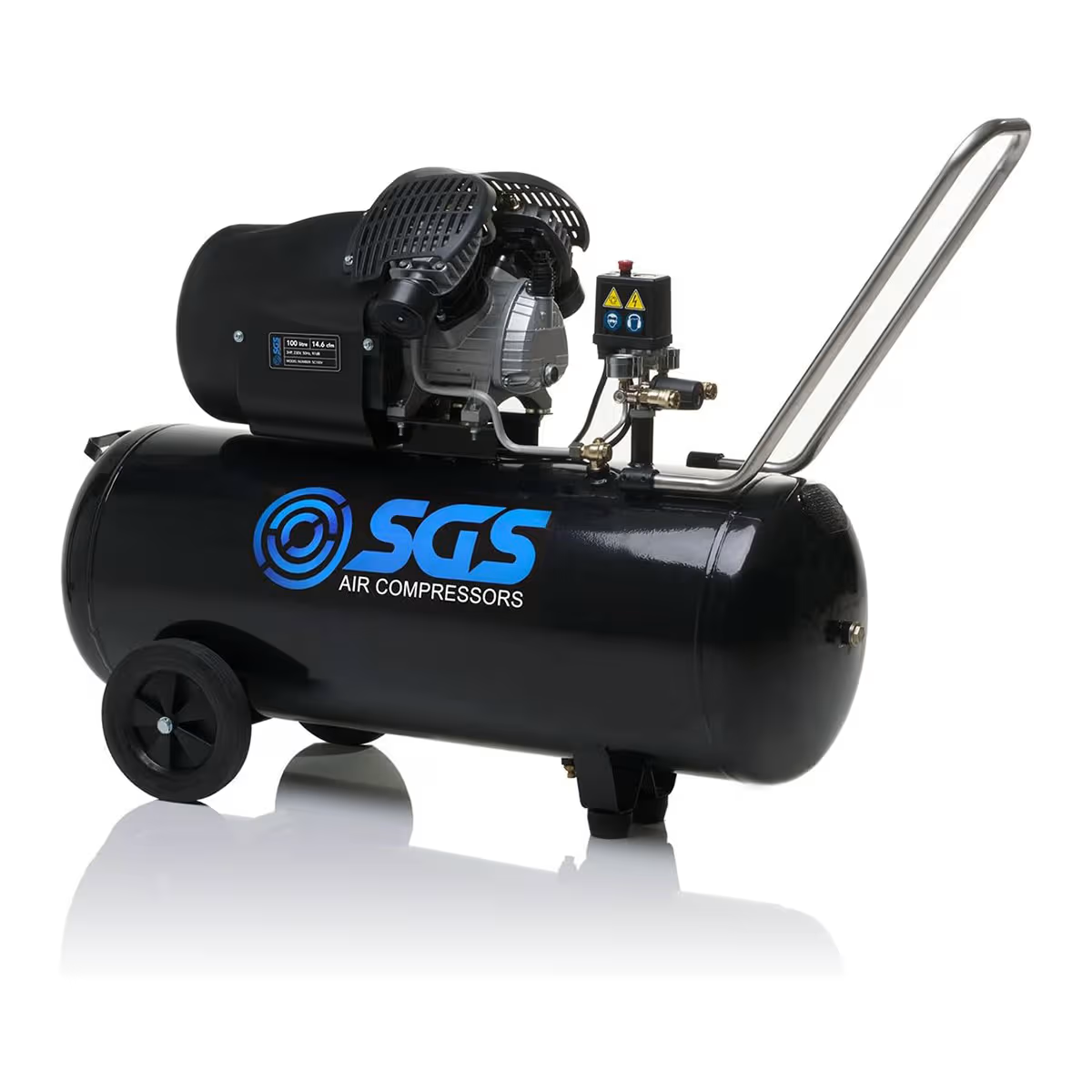
Best For: Serious bodywork, sanding, and spraying.
This is the beast you need for restoration. With a massive 100L tank and a 3HP V-Twin motor, it delivers high CFM (13.8 displacement) to keep up with hungry tools. While it's a direct-drive unit (so it makes some noise), the performance-to-price ratio is unbeatable for a home workshop. It will happily run a DA sander or a spray gun for panel work.
- Tank: 100 Litres
- Motor: 3HP (V-Twin)
- Flow: 9.6 CFM (FAD) / 14 CFM (Displacement)
- Key Feature: Massive air buffer for continuous tool use
4. Machine Mart's Best Seller: Airmaster Tiger 100L
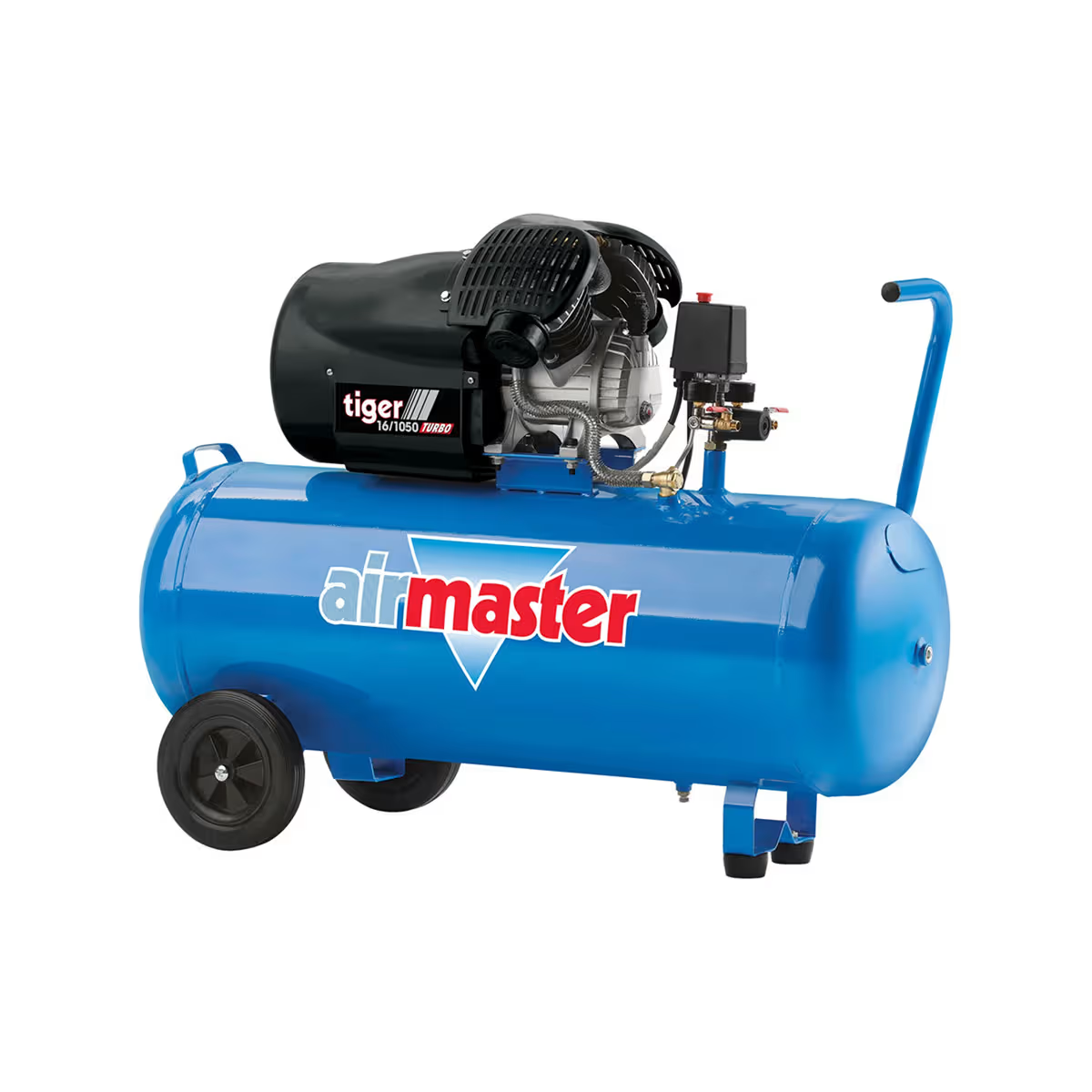
Best For: Value for money restoration work.
If you want a trusted brand with UK support, the Airmaster Tiger 16/1050 is a fantastic option. It matches the SGS for power (3HP / 14.5 CFM Displacement) but comes with the backing of Machine Mart's nationwide store network. It's a proven workhorse for spraying and sanding.
- Tank: 100 Litres
- Motor: 3HP (2.2kW)
- Flow: 14.5 CFM (Displacement)
- Support: Full UK spares & warranty
Ideally paired with a long air hose to keep the noise outside while you work inside!
Essential Accessories for Your Compressor
A compressor is useless without the right plumbing. Don't bottleneck your performance with cheap fittings.
- High-Flow Couplers (PCL / Euro): Cheap connectors restrict airflow. Upgrade to "High Flow" or "XF" Euro couplings to get the most power out of your tools.
- Water Trap / Regulator: Compressing air creates water. If this gets into your paint gun or sandblaster, it ruins the job. Install a water trap directly on the compressor outlet.
- 10mm Internal Diameter Hose: Don't use the thin coiled hoses for heavy tools. Use a thick rubber hose (10mm / 3/8" ID) to ensure full pressure reaches the tool.
Summary
Matching the compressor to your work is key:
- Quiet/Small Jobs: HYCHIKA Silent
- Mobile/General: Hyundai 50L
- Restoration/Sanding: SGS 100L