Types of Rust on Vehicles: The Complete UK Guide
Table of Contents
Understanding the different types of rust that affect vehicles in the UK is crucial for proper identification, treatment, and prevention. Each type represents a different stage of corrosion and requires specific approaches to address effectively.
Introduction to Vehicle Rust
Rust (iron oxide) forms when iron-containing metals are exposed to oxygen and moisture over time. In the UK's damp climate, vehicles are particularly susceptible to rust damage. The combination of frequent rainfall, coastal sea spray, and winter road salt creates ideal conditions for accelerated corrosion on British roads.
Vehicle corrosion typically progresses through three distinct stages, each more severe than the last. Early identification can save thousands of pounds in repairs and maintain your vehicle's structural integrity, safety, and resale value.
Surface Rust
Surface rust represents the initial stage of corrosion and is the most common type found on UK vehicles. It forms when the protective paint layer is compromised, exposing the bare metal underneath to moisture and oxygen.

Characteristics of Surface Rust:
- Appears as red-brown discoloration on the metal surface
- Rough, flaky texture that feels uneven to the touch
- Typically occurs around stone chips, scratches, and areas where paint has worn thin
- Common on wheel arches, door edges, and bonnet/boot areas exposed to moisture
- Metal remains structurally sound with no significant pitting or deterioration
Treatment Recommendation
Surface rust is the easiest type to treat and should be addressed promptly. For UK vehicles, we recommend sanding the affected area, applying a quality rust converter (such as Kurust or Hammerite), followed by primer and paint matched to your vehicle's colour code.
Scale Rust
If surface rust isn't addressed, it progresses to scale rust—a more serious condition where corrosion begins to compromise the metal's structural integrity. Scale rust is particularly problematic in the UK due to the frequent use of road salt during winter months.
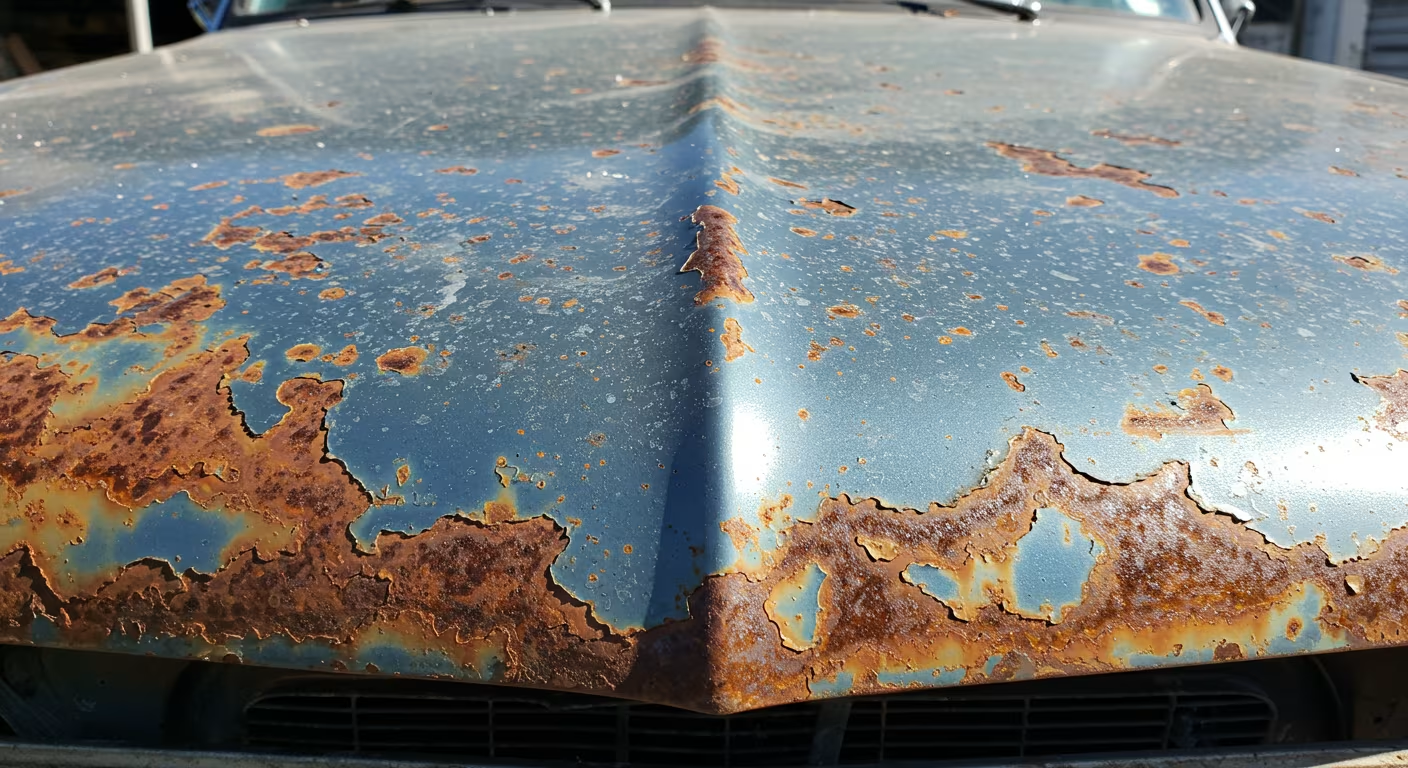
Characteristics of Scale Rust:
- Metal begins to flake and bubble as corrosion expands
- Paint often bubbles up around the affected area
- Small pits develop in the metal as it deteriorates
- Rust penetrates deeper into the metal, causing it to weaken
- Common in wheel wells, sills, and lower door panels of UK vehicles
MOT Implications
Scale rust can lead to MOT failures in the UK if found on structural components. Vehicles with substantial scale rust on chassis members, subframes, or suspension mounting points may be deemed unroadworthy under UK testing standards.
Penetrating Rust
The most severe form of corrosion is penetrating rust, where the metal has deteriorated to the point of creating holes or causing structural weakness. This type is especially concerning for older vehicles in coastal regions of the UK, where exposure to sea salt accelerates the corrosion process.
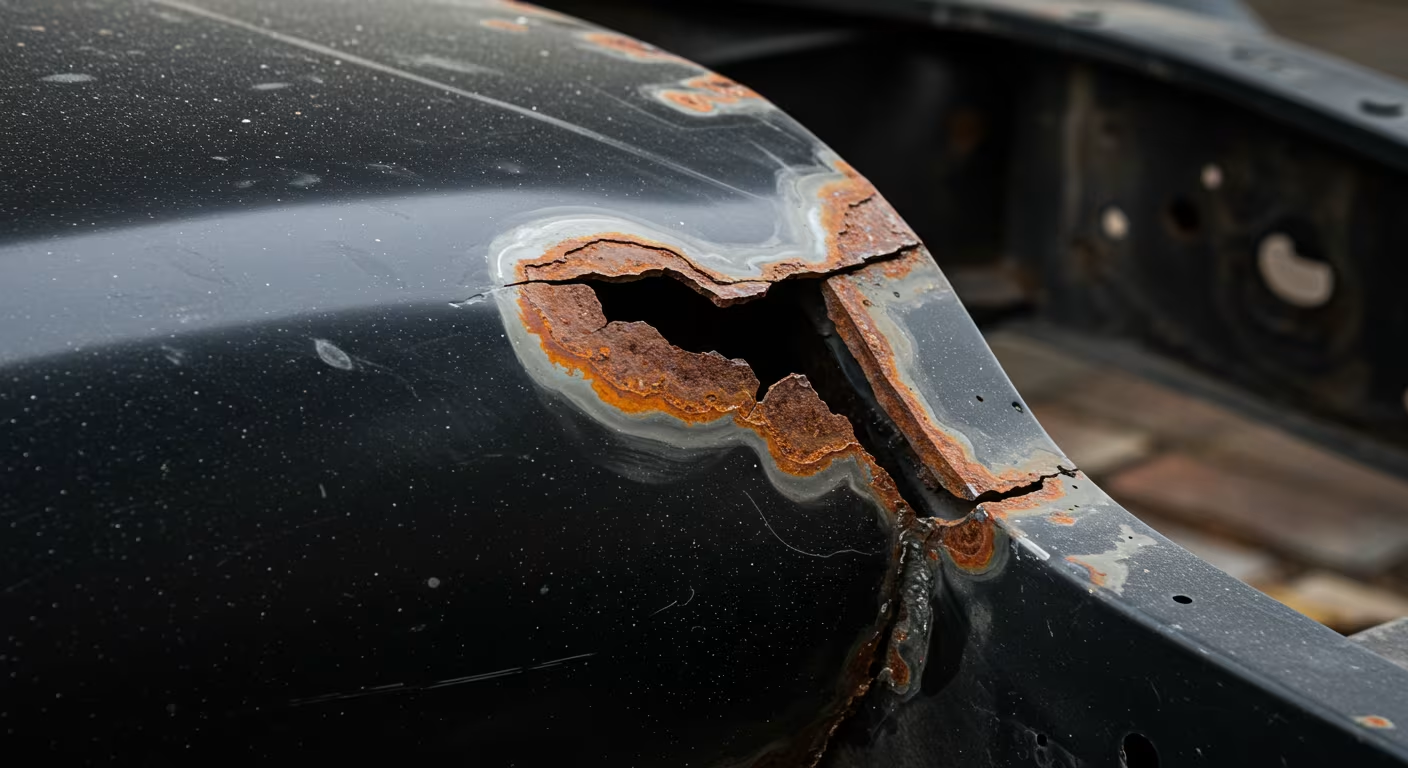
Characteristics of Penetrating Rust:
- Metal becomes perforated with visible holes
- Structural integrity is significantly compromised
- Surrounding areas often show extensive bubbling and flaking
- Metal can be pushed through with minimal pressure
- Often hides in enclosed sections like sills, chassis rails, and floor pans
Safety Warning
Penetrating rust on critical components (chassis, suspension mounts, brake lines) represents a serious safety risk on UK roads. Vehicles with significant penetrating rust should be professionally assessed before continued use, particularly at motorway speeds.
UK Environmental Factors Affecting Rust Formation
Several factors specific to the UK environment accelerate vehicle rust formation:
| Environmental Factor | Impact on Vehicles | UK-Specific Concern |
|---|---|---|
| Road Salt | Accelerates electrochemical corrosion process | Extensively used across UK road networks during winter |
| Coastal Proximity | Sea salt aerosol increases corrosion rate | No location in UK is more than 70 miles from coastline |
| High Rainfall | Consistent moisture promotes rust formation | UK averages 133 days of rain annually |
| Urban Pollution | Acidic deposits damage protective coatings | High in metropolitan areas like London, Manchester, Birmingham |
| Gravel/Dirt Roads | Stone chips expose bare metal | Common in rural counties and construction areas |
Understanding these environmental challenges is crucial for UK motorists. Vehicles regularly driven in coastal areas like Cornwall, Scotland's west coast, or along the North Sea may require more frequent inspections and preventative treatments than those in drier inland regions.
Conclusion
Identifying the type of rust affecting your vehicle is the critical first step in determining the appropriate treatment approach. For UK vehicles, addressing rust early is particularly important given our climate and road conditions.
Key Takeaways:
- Surface rust should be treated immediately to prevent progression to more serious stages
- Scale rust often requires professional attention and may affect MOT status
- Penetrating rust represents a serious structural and safety concern
- UK's unique environmental conditions (frequent rain, coastal proximity, winter road salt) accelerate rust formation
- Regular underbody washing is essential during and after winter months in the UK
Regional UK Considerations
Vehicles in Scotland and Northern England typically face harsher winter conditions with more frequent road salt exposure. Coastal areas like Wales and Cornwall experience higher salt air concentration. London vehicles contend with increased pollution that can accelerate corrosion when combined with moisture.
References
- Royal Automobile Club (RAC). "Vehicle Corrosion in British Climate." 2024.
- Institute of Corrosion UK. "Automotive Corrosion Standards for UK Environmental Conditions." Technical Report, 2023.
- Transport Research Laboratory. "Impact of De-icing Salt on Vehicle Structures in the United Kingdom." Research Paper, 2024.
- Met Office UK. "Rainfall Distribution and Automotive Corrosion Correlation." Climate Analysis, 2023.
- Society of Motor Manufacturers and Traders (SMMT). "Vehicle Rust Protection Standards for British Market Vehicles." Industry Guidelines, 2024.