Vehicle Storage Tips: Preventing Rust While Your Car Is Stored
Table of Contents
Proper vehicle storage is crucial for preventing rust and corrosion, especially in the UK's damp climate. Whether you're storing a car for a few weeks or several months, this guide provides comprehensive strategies to ensure your vehicle remains rust-free during periods of inactivity.
The Importance of Proper Storage
Vehicles that sit idle are often more susceptible to rust than those in regular use. Without the warming of components and the clearing of moisture that comes with regular driving, stored vehicles can develop rust problems surprisingly quickly, particularly in the UK's high-humidity environment.
The key challenge during storage is controlling moisture - both external moisture from the environment and condensation that forms when temperature fluctuations cause humidity to collect on cold metal surfaces. Implementing proper storage procedures can prevent these conditions from causing damaging corrosion.

Short-Term Storage Strategies (2-4 Weeks)
For shorter storage periods, such as during holidays or business trips, these practical steps will help prevent rust formation:
Before Storage
- Thorough washing and drying: Remove all dirt, road salt, and contaminants that could cause corrosion
- Waxing: Apply a quality car wax to provide additional protection for painted surfaces
- Full tank of fuel: Fill the fuel tank to minimize air space where condensation can form
- Tyre pressure: Inflate tyres to the recommended pressure to prevent flat spots
- Interior drying: Ensure the interior is completely dry, removing damp items and using moisture absorbers if necessary
Storage Location
Even for short-term storage, location matters:
- Choose a garage or covered area rather than outdoor storage
- Ensure the location has good air circulation
- Avoid storing directly on damp concrete if possible (use floor mats or carpet squares)
- Park away from walls where condensation might form
During Storage
- Use a breathable car cover if in a garage (avoid non-breathable covers which can trap moisture)
- Place moisture absorbers (silica gel packs or commercial products) inside the vehicle
- Leave windows very slightly cracked (1-2mm) to allow air circulation if in a secure location
- For outdoor storage, ensure the cover is properly secured to prevent water ingress
Quick Tip
For short-term storage in the UK, consider using a dehumidifier in your garage if possible. Even running one periodically can significantly reduce ambient moisture levels, particularly in winter months when relative humidity is typically highest.
Medium-Term Storage Procedures (1-6 Months)
For storage periods of several months, such as over winter, additional precautions are necessary:
Enhanced Cleaning and Protection
- Deep cleaning: Clean all exterior surfaces, undercarriage, wheel arches, and engine bay
- Premium wax protection: Apply a long-lasting wax or sealant to all painted surfaces
- Undercarriage treatment: Apply fresh undercoating or protective wax to vulnerable areas
- Chrome protection: Apply a light coat of WD-40 or specialized chrome protectant to chrome parts
- Leather/vinyl treatment: Apply appropriate conditioners to prevent drying and cracking
Mechanical Preparations
- Oil change: Fresh oil contains fewer contaminants and better corrosion inhibitors
- Fuel stabilizer: Add to a full tank to prevent fuel degradation
- Battery maintenance: Either disconnect the battery or connect to a maintenance charger
- Brake protection: Release the handbrake to prevent seized calipers (use chocks instead)
- Tyre considerations: Increase pressure slightly (3-5 PSI) or use jack stands to take weight off tyres
Moisture Control
- Silica gel dehumidifiers: Place large containers in the vehicle (refreshing periodically)
- Engine bay protection: Consider a light coat of ACF-50 or similar product on exposed metal parts
- Block exhaust and intake: Use steel wool (not cloth) to prevent rodents entering while allowing breathing
- Interior ventilation: Ensure slight airflow without allowing rain entry
Regular Checks
- Visit the vehicle at least monthly to check for unexpected issues
- Run the engine to operating temperature if possible every 4-6 weeks
- Check for signs of rodent activity, which can damage wiring insulation
- Inspect for unexpected water entry or condensation
Important Warning
When running a stored vehicle, ensure adequate ventilation to prevent carbon monoxide buildup. Never run an engine in a closed garage, and ensure the exhaust pipe is clear before starting the engine after storage.
Long-Term Storage Procedures (6+ Months)
For extended storage periods, such as for classic cars or during extended absences, comprehensive measures are required:
Professional-Level Preparation
- Complete detailing: Professional cleaning of all surfaces, crevices, and hidden areas
- Cavity wax injection: Application of protective wax into body cavities, sills, and box sections
- Comprehensive undersealing: Fresh application to underside components
- Engine fogging: Internal engine protection with fogging oil (via intake or spark plug holes)
- Brake system flush: Replace brake fluid to eliminate moisture which causes corrosion
Environmental Control
- Climate-controlled storage: Ideal temperature (10-15°C) and humidity (40-50%)
- Dehumidification: Dedicated dehumidifier with drain or auto-shutoff
- Air circulation: Fans or air movers to prevent stagnant air pockets
- Sealed environment: Minimize external air exchange when using dehumidifiers
Advanced Protection Systems
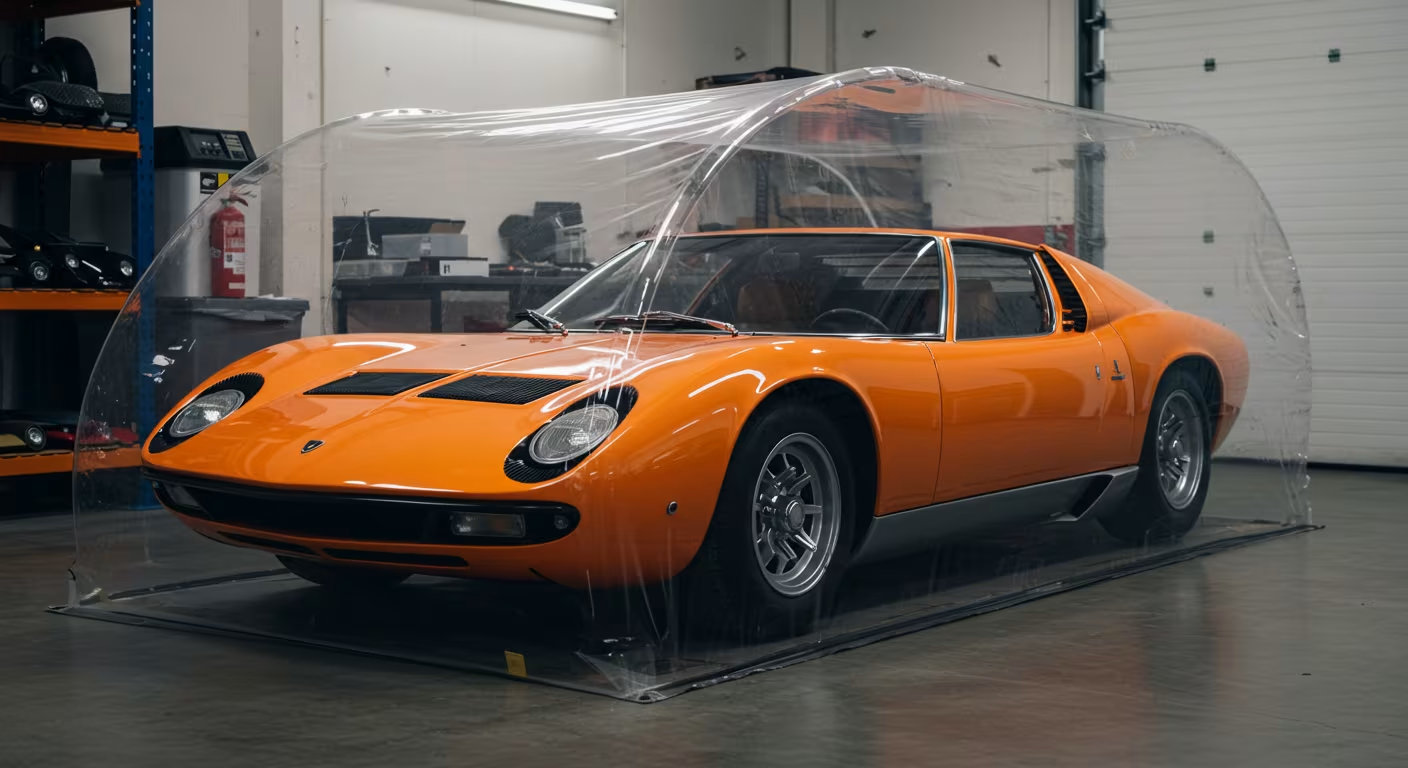
- Car storage bubble: Inflatable storage systems with built-in air circulation
- Desiccant systems: Large-capacity moisture absorption with indicator
- Vapour phase inhibitors: Chemical compounds that release corrosion-inhibiting vapours
- Battery maintainers: Smart chargers that condition the battery without overcharging
Complete Vehicle Sealing
- Exhaust system sealing: Properly seal exhaust to prevent moisture ingress
- Intake sealing: Block air intake systems while allowing minimal breathing
- Panel drain holes: Ensure all drain holes are clear but protected from debris
- Fuel system treatment: Advanced fuel stabilizer and system protectant
Storage Location Considerations in the UK
Where you store your vehicle can significantly impact rust formation. Here are the options available in the UK, from best to worst:
Climate-Controlled Storage (Best Option)
- Advantages: Controlled temperature and humidity, excellent security, minimal dust
- Limitations: Expensive (£150-300+ per month in the UK), limited availability
- Best for: Valuable classics, collectibles, long-term storage
- UK availability: Limited to specialist facilities in major cities and some rural estates
Private Garage with Dehumidification
- Advantages: Good protection from elements, humidity can be controlled, secure
- Limitations: Temperature fluctuations, variable humidity without active control
- Best for: Most standard vehicles, medium to long-term storage
- Enhancements: Add a dehumidifier, insulate the garage if possible
Standard Private Garage
- Advantages: Protection from direct rain, reduced UV exposure, basic security
- Limitations: Humidity fluctuations, temperature changes, potentially damp floors
- Best for: Short to medium-term storage, everyday vehicles
- Enhancements: Improve ventilation, use moisture absorbers, insulate where possible
Carport or Covered Structure
- Advantages: Protection from direct rain and UV, usually good ventilation
- Limitations: Exposure to humidity, temperature changes, wind-blown rain
- Best for: Short-term storage, vehicles with good existing protection
- Enhancements: Use a breathable, water-resistant car cover, additional wax protection
Outdoor Storage (Least Desirable)
- Advantages: Convenience, no cost, good air circulation
- Limitations: Full exposure to elements, security concerns, maximum risk of rust
- Best for: Very short-term storage only, emergency situations
- Enhancements: High-quality waterproof yet breathable cover, additional protective treatments before storage
| Storage Type | Rust Prevention Rating | Monthly Cost (UK) | Availability | Best Storage Duration |
|---|---|---|---|---|
| Climate-Controlled | Excellent | £150-300+ | Limited | Any duration |
| Dehumidified Garage | Very Good | £75-150 | Moderate | Any duration |
| Standard Garage | Good | £50-120 | Good | Up to 1 year |
| Carport | Fair | £30-80 | Good | Up to 3 months |
| Outdoor (Covered) | Poor | £0-20 | Excellent | Up to 1 month |
UK Climate Challenges for Vehicle Storage
The United Kingdom presents specific challenges for vehicle storage due to its climate:
Regional Considerations
Different UK regions require adjusted approaches:
- Coastal Areas: Higher salt content in the air requires additional protection for external components and exposed metal
- Scotland and Northern England: Lower average temperatures increase condensation risk when temperatures rise
- Southwest England: Higher humidity levels year-round require more aggressive dehumidification
- Urban Areas: Greater pollution levels can accelerate corrosion when combined with moisture
Seasonal Challenges
Adjusting storage strategies by season:
- Winter: Greatest risk of condensation due to temperature differentials, especially in unheated garages
- Spring: Increasing temperatures with high rainfall can create high humidity environments
- Summer: UV damage risk increases, while humidity can remain high, particularly in the south
- Autumn: Falling temperatures with still-humid air creates ideal conditions for condensation
UK-Specific Solutions
Strategies particularly relevant to UK conditions:
- Portable dehumidifiers: Essential in most UK garages due to the naturally high ambient humidity
- Insulation improvements: Reducing temperature fluctuations in storage areas helps prevent condensation cycles
- Additional cavity protection: UK vehicles benefit from extra attention to internal cavities where condensation forms
- Heating options: Low-level background heating (just above ambient) can significantly reduce condensation risk
Returning Vehicles to Service
Proper procedures when taking a vehicle out of storage are crucial for identifying and addressing any issues that may have developed:
Inspection Process
- Thoroughly inspect the entire vehicle for signs of moisture, condensation, or rust formation
- Check all rubber components for deterioration or cracking
- Inspect brake components for signs of corrosion or seizure
- Examine the undercarriage for any protective coating failures
- Check for any signs of pest intrusion or damage
Mechanical Recommissioning
- Check all fluid levels and condition before starting
- Inspect battery condition and charge if necessary
- Check tyre pressures and condition, looking for flat spots
- Remove any intake or exhaust blockages installed for storage
- Start the engine and allow it to reach operating temperature gradually
- Check brake operation carefully before road use
Post-Storage Corrosion Prevention
- Wash the vehicle thoroughly to remove any dust or contaminants that accumulated during storage
- Apply fresh wax or sealant to painted surfaces
- Consider a post-storage undercarriage wash to remove any condensation residue
- Address any minor corrosion spots immediately to prevent spread
- Check and clear all drainage holes to ensure they're functioning properly
Professional Inspection
After long-term storage (over 12 months), consider a professional inspection focusing on brake systems, fuel delivery, and structural elements. Many issues can be hidden from casual observation but could affect safety or accelerate corrosion if not addressed.
Conclusion: Creating Your Storage Strategy
Effective vehicle storage in the UK requires a thoughtful approach tailored to your specific circumstances, vehicle type, and storage duration. By implementing appropriate preventative measures, you can significantly reduce the risk of rust formation during periods when your vehicle isn't being used.
Key Takeaways
- The level of preparation should match the storage duration - more comprehensive measures for longer storage periods
- Controlling moisture is the primary concern for rust prevention during storage in the UK
- Storage location significantly impacts rust risk and should be chosen carefully
- Regular checks during storage help identify and address issues before they become serious
- Proper recommissioning is as important as proper storage preparation
Remember that every vehicle and storage situation is unique. Adapt these guidelines to your specific circumstances, with particular attention to addressing the challenges posed by the UK's damp climate. With proper preparation and maintenance, your vehicle can emerge from storage in the same condition—or better—than when it went in.
References and Further Reading
- Federation of British Historic Vehicle Clubs, "Long-term Vehicle Storage Guide", 2024
- Classic Car Club of Great Britain, "Preservation Techniques for Historic Vehicles", 10th Edition, 2025
- Journal of Corrosion Science and Engineering, "Effects of Intermittent Storage on Vehicle Corrosion Rates", Vol 27, Issue 3, 2024
- Society of Automotive Engineers, "Humidity Control in Vehicle Storage Environments", Technical Paper 2023-01-0963
- British Motor Heritage, "Modern Preservation Methods for Classic Vehicles", Technical Bulletin 42, January 2025